
I’ll never forget my first cruise that was impacted by hurricane season.
Back in September 2014, my family had long been looking forward to the Disney Wonder Panama Canal cruise. I was excited — but then the news came: Hurricane Odile was hammering the Mexican coast.
Would we still sail? Would it be safe? Would our vacation be ruined?
The truth: we did still sail, and we were safe the entire time. But our itinerary changed completely. Cabo San Lucas and Puerto Vallarta were cancelled, and we spent eight days straight at sea before finally seeing land in Cartagena, Colombia.
It wasn’t the cruise I expected, but it turned into one of my favorite vacations ever.


Over the years since, I’ve watched how other hurricanes have disrupted cruises — sometimes in very big ways. It has never stopped me sailing during hurricane season. But it has made me think more about the risks and how to deal with them.
If you’re thinking about booking a cruise between June 1 and November 30 (the official hurricane season in the Atlantic), here’s what I wish I had known all those years ago.
Is It Safe To Sail During Hurricane Season?
This is the first question everyone asks.
The short answer: yes, it’s safe.
Cruise ships are designed to avoid storms. During Odile, our captain rerouted us far away from danger, and the seas were smoother than some of my other cruises. Having sailed the Bay of Biscay many times I can tell you it was nothing like that!
Ships have stabilizers, 24/7 monitoring centers, and weather experts guiding every decision. In fact, it’s usually safer to be at sea than stuck on land in a hurricane. If there is a hurricane warning, ships are often sent out to sea as it is safer there where they can chart a path away from the storm.
But “safe” doesn’t mean “unchanged.” You need to be prepared for:
- Missed ports
- Rerouted itineraries
- Days at sea instead of beaches
- Flight delays getting to or from your cruise
My Experience With Hurricane Odile
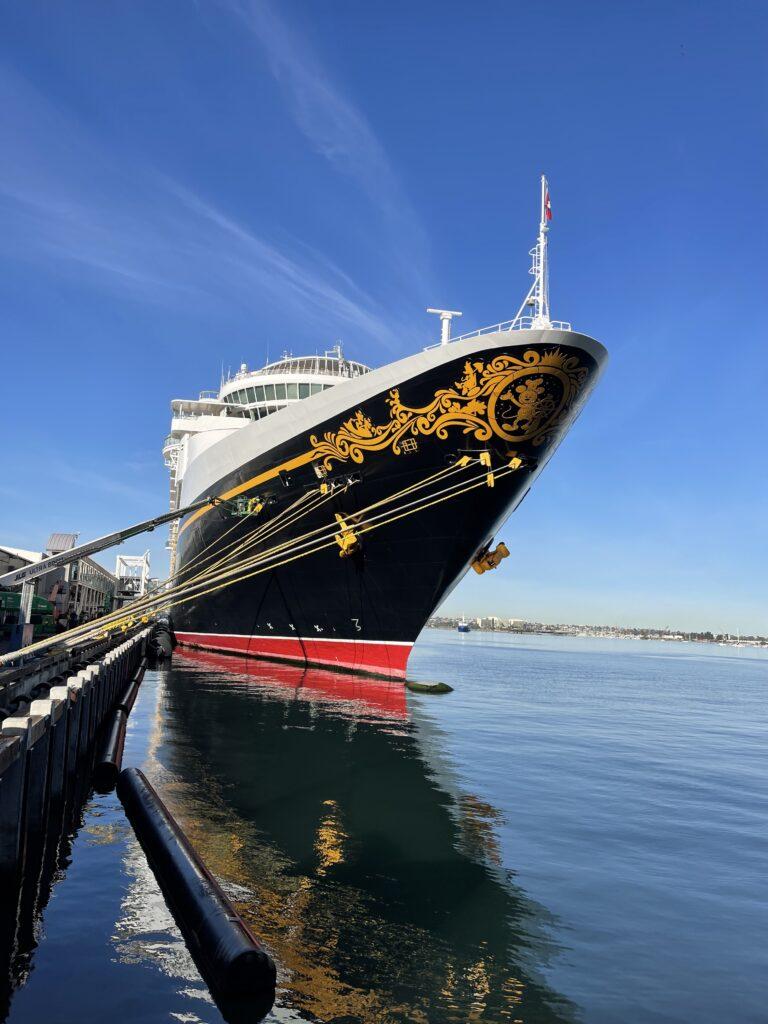
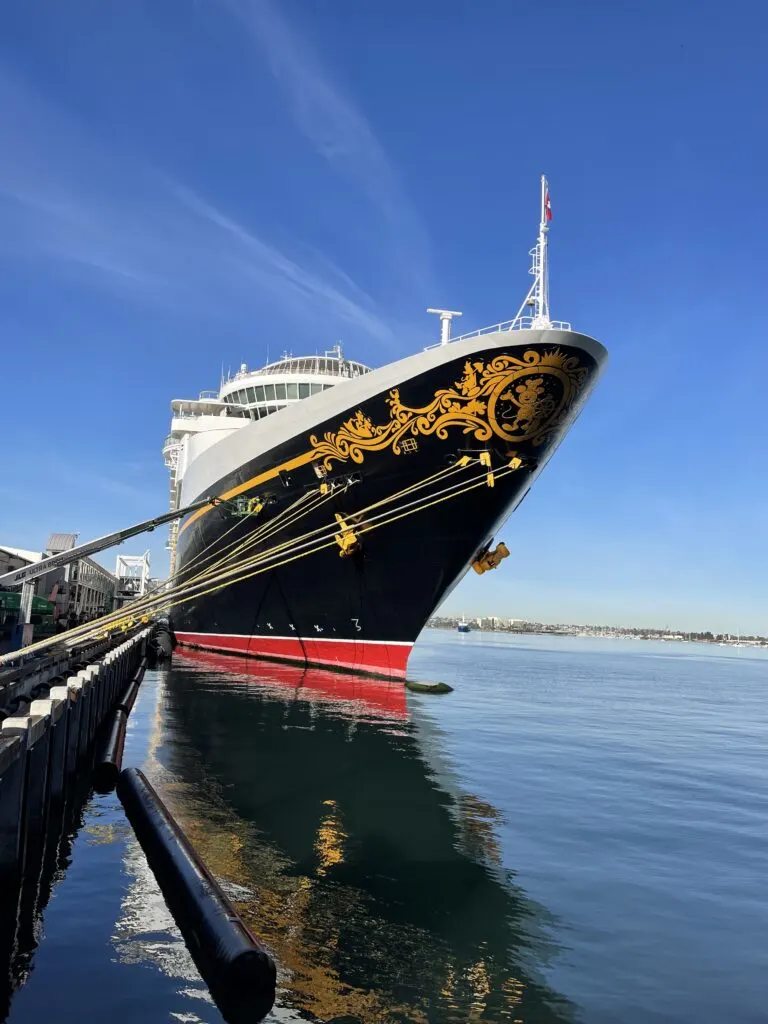
While life onboard the Disney Wonder stayed calm and protected, the story on land was very different. When Hurricane Odile slammed into Cabo San Lucas as a Category 4 storm, it nearly decimated the tourist corridor.
Hotels sheltered guests in ballrooms for days, the Los Cabos International Airport was shut for over a week, and the storm left an estimated $1 billion in damage.
Resorts across the region needed months of rebuilding, with some not reopening until the following year. It’s a stark reminder that while cruise ships can maneuver to safety, coastal destinations take the hurricane’s full force.
On the Disney Wonder, I learned that flexibility is everything. Disney made sure we had entertainment, food, and activities to fill our unexpected sea days.
Sure, I missed Cabo and Puerto Vallarta, but I gained an appreciation for how well the crew adapted. And honestly? Eight relaxing, unplanned days at sea were pretty magical.
That experience shaped how I look at hurricane season cruising: the cruise will most likely sail, but not necessarily where and when you expect.
So you need to be prepared – and this is why you should never ever travel without insurance.
Other Hurricanes That Changed Cruises
I’m not the only one who’s seen this firsthand. In the last decade, hurricanes have repeatedly forced cruise lines to cancel or change sailings:
- Irma (2017) – Cat 5 with 185?mph winds. 24 Caribbean ports devastated. At least 16 cruises cancelled across Disney, Carnival, Royal Caribbean, Norwegian, MSC. Carnival rerouted 10 ships, and Royal Caribbean even opened Enchantment of the Seas as housing for staff who couldn’t ride out the storm at home.
- Dorian (2019) – Another Cat 5 storm that devastated the Bahamas. Castaway Cay shut, and ships pivoted to delivering supplies.
- Ian (2022) – Florida homeports closed. Cruise lines scrambled: Norwegian Sky and MSC Seashore scrapped Western Caribbean plans for Eastern ports, Carnival Glory switched to Belize and Honduras, Royal Caribbean ships skipped Cozumel and Roatan. Port Tampa entered “Condition Yankee,” blocking arrivals. Flyers into Orlando and Tampa saw major delays.
- Idalia (2023) – Gulf of Mexico storm. Carnival and Royal Caribbean dropped Key West and Western ports.
- Beryl (2024) – The earliest Category 5 storm ever recorded (in June). Disney, Carnival, Royal Caribbean cut Jamaica, Grand Cayman, and Cozumel.
- Erin (2025) – Just this August, Erin (Cat 4) caused many changes:
- Carnival Sunshine dropped Bermuda for Celebration Key + Nassau.
- Norwegian Aqua replaced Bermuda with Saint John, Canada.
- Disney Treasure swapped Tortola and St. Thomas for Cozumel, Grand Cayman, and Falmouth.
- MSC World America rerouted to Costa Maya + Cozumel.
- The National Hurricane Center warned of dangerous surf all the way from the Bahamas to Atlantic Canada.
The patterns match my Odile experience: cruises sail, but rarely on the schedule you booked.
Is Hurricane Risk Getting Worse?
Unfortunately, yes. Climate data shows that the strongest storms — Category 4 and 5 — have become more common over the last 40 years.
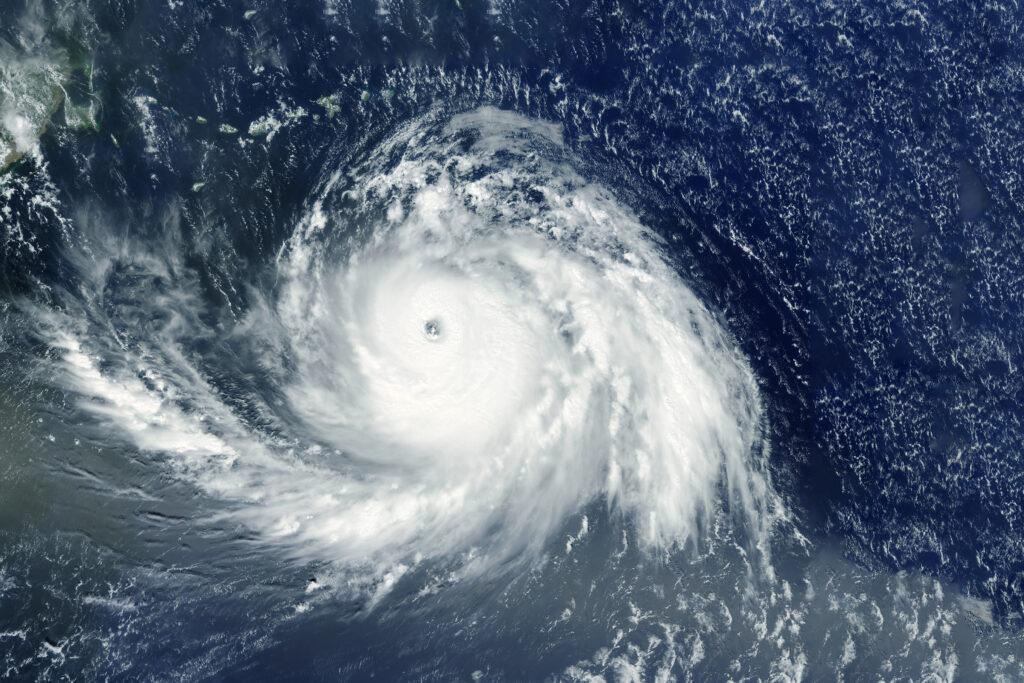
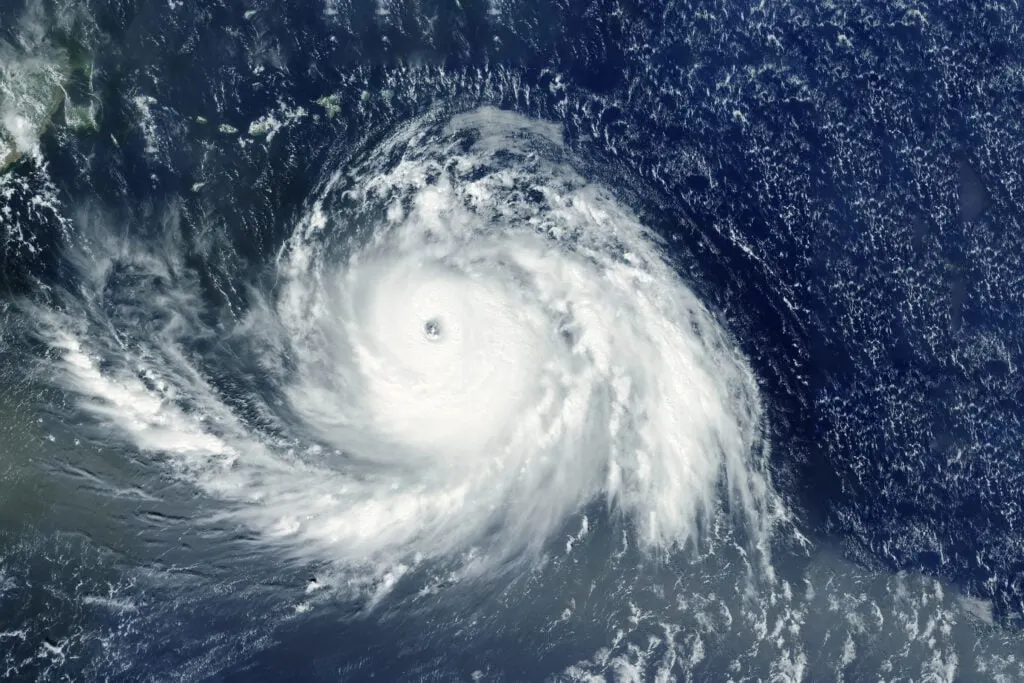
- Warm oceans fuel rapid intensification (Idalia and Beryl grew frighteningly fast).
- Slower-moving storms (like Ian) linger, causing flooding and port closures even after they’ve passed nearby.
And the 2025 season outlook is not comforting:
- NOAA predicts 17–25 named storms, 8–13 hurricanes, 4–7 major hurricanes.
- Colorado State University forecasts 23 named storms, 11 hurricanes, and 5 major hurricanes.
- Both point to record-warm Atlantic waters and La?Niña conditions as storm drivers.
So while ships are still safe, the likelihood of disruption is higher than ever.
Why You Need Travel Insurance
If there’s one thing I’ll never skip now, it’s insurance.
- Flight cancellations: If Orlando or Tampa shut down (like during Ian), insurance covers rebooking, hotels, and meals.
- Missed ports: You’ll be refunded for excursions you booked through the cruise line, but not third-party tours. Insurance can sometimes cover those.
- Medical emergencies: Storm delays can complicate things — insurance gives peace of mind.
- Return delays: If you’re stuck post-cruise, extra hotels are covered.
Buy it before a storm is named. Once “Erin” or “Irma” appears on the news, it’s excluded.
For peace of mind, I like annual policies — one purchase covers all my trips.
Alternatives If You Want to Minimize the Risk
- Alaska (summer) – no hurricanes as the waters are too cold for a tropical cyclone to form.
- Europe – Mediterranean, Northern Europe, or British Isles.
- West Coast – California and Pacific Coast sailings have less risk but hurricanes are increasing in this area too. An average season produces 15 tropical storms and four hurricanes so this is still a significant amount.
- Or just book December through May, outside the season. Storms do happen but the hurricane risk is much much lower.
My Hurricane Odile cruise wasn’t what I planned, but it was unforgettable. Every storm since — Irma, Dorian, Ian, Idalia, Beryl, and now Erin — has shown the same thing:
- Ships stay safe.
- Itineraries change.
- The experience is still worth it — if you’re ready to be flexible.
So would I cruise in hurricane season again?
Absolutely.
And I did have insurance, which fortunately I didn’t need to use. But it was there if I needed it.
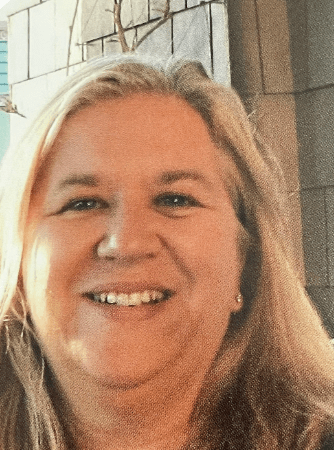

Alison Meacham is the founder of EverythingMouse Disney Blog. For over 15 years she has shared her love of Disney Parks, Disney Cruises and Universal Orlando. In over 30 years of Disney Travel she has spent countless months in Disney Parks and has sailed on over 60 cruises. A British native and now a United States resident she splits her time between California, Florida and the UK. And spends a serious amount of time sailing the seven seas. She helps over 250,000 people per month follow their Disney travel dreams.
Robert S. McIver
Thursday 4th of September 2025
Who do you use for the annual travel insurance & how much does it cost?
Thanks, Robert
Alison
Monday 8th of September 2025
I often use Allianz. The price depends upon the length of sailing, ages of insured and also amounts of coverage. There are lots of options.